
Blog
Check out the latest stories from Eastern Shore.
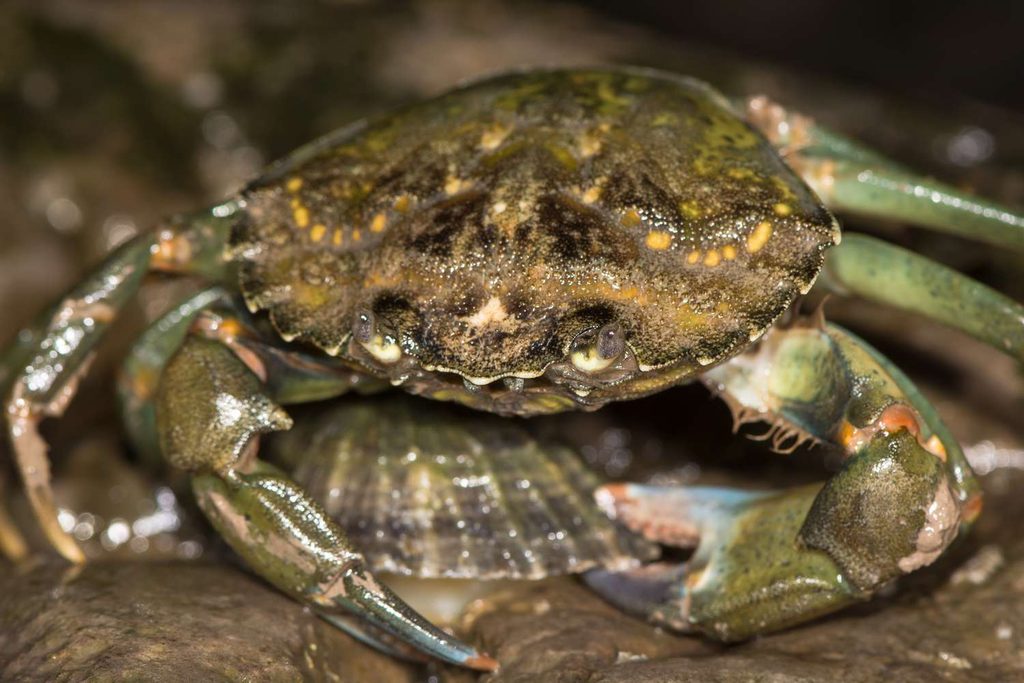
Meet One of the Eastern Shore’s Most Unwanted Visitors
How one young resident is taking action to protect our coastal waters from the European Green Crab.
A small crab with a big impact
Spend a little time exploring the Eastern Shore’s rocky coastlines, sheltered coves and estuaries, and you’ll discover a remarkable variety of marine life. But among the creatures living in these waters is one unwelcome visitor: the European Green Crab (Carcinus maenas).
Native to Europe and North Africa, this crab arrived in Atlantic Canada in the early 1950s and has since spread throughout much of Nova Scotia’s coastline. It is now well established in many coastal habitats, where its adaptability, varied diet and rapid reproduction give it a competitive advantage over many native species. Fisheries and Oceans Canada
Although small, Green Crabs can have a surprisingly large ecological footprint. They feed on clams, mussels, oysters, juvenile crabs and other marine animals, including young lobsters. They also compete with native crabs, such as rock and Jonah crabs, for food and habitat.
But one of their most concerning impacts is on eelgrass meadows.
Why eelgrass matters
Eelgrass is much more than an underwater plant. Its long green blades create sheltered habitat for juvenile fish, shellfish and crustaceans, providing food and protection during vulnerable early stages of life. Eelgrass beds also help stabilize sediments, support coastal food webs and store carbon.
As Green Crabs dig through the seabed in search of prey, they can uproot eelgrass and disturb the sediments around it. At high crab densities, this damage can contribute to the loss of eelgrass habitat, with consequences that extend well beyond the plants themselves. Fisheries and Oceans Canada identifies Green Crabs as one of the pressures affecting eelgrass ecosystems in Atlantic Canada.
Healthy coastal ecosystems depend on relationships between many species. When an invasive predator disrupts those relationships, the effects can ripple through the food web, affecting native wildlife and potentially the fisheries and shellfish industries that coastal communities depend on.
Meet Charlie Warvill: turning concern into action
So, what can we do about an invasive species that is already established along our shores?
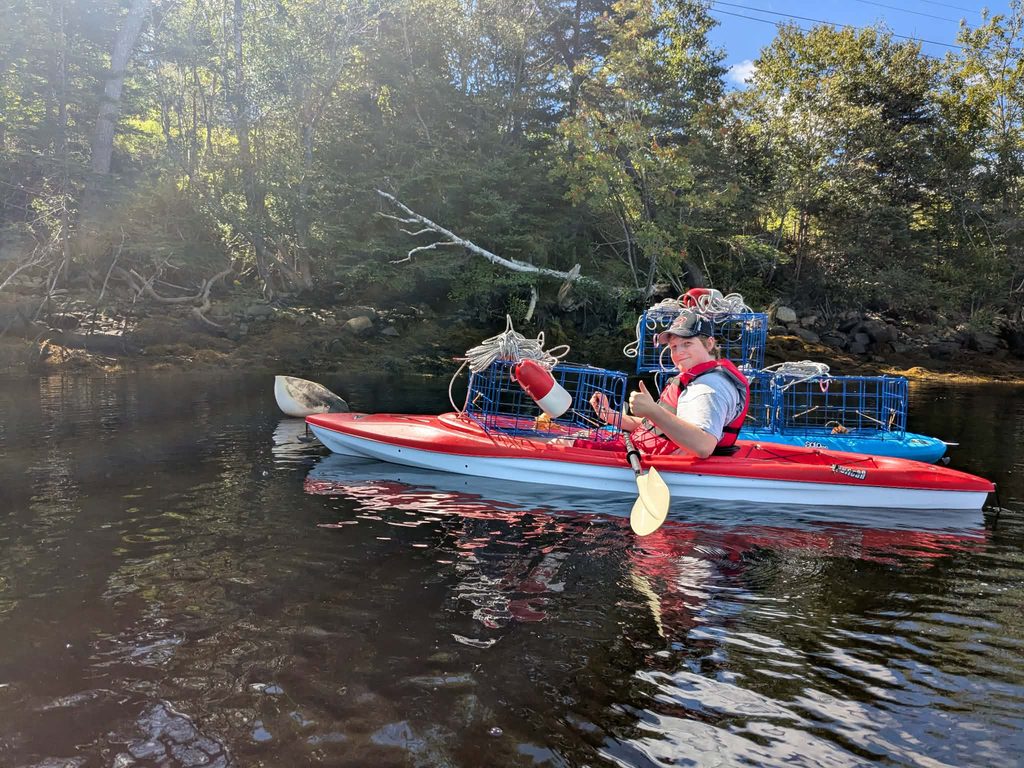
For 15-year-old high school student Charlie Warvill, the answer is to get involved.
With funding from an Ocean Action Grant and mentoring from OESODC representative Angie Cumming, Charlie has taken the initiative to tackle the Green Crab and help others understand its impact. He has obtained a DFO licence, set traps to catch Green Crabs, organized events to showcase his project, spoken with local residents and shared information about invasive species with young people at a summer camp.
Charlie has three motivations: helping the ecosystem, inspiring others to take action and enjoying the experience of being out on the ocean.
As he explains:
“Green crabs outcompete native species like rock and Jonah crabs, and getting rid of them would benefit the ecosystem greatly.”
His ambitions reach beyond catching crabs. Charlie wants people to develop a stronger understanding of the coastal environment around them.
“The more people understand about the shores they live on, the healthier our environment can become.”
And his project offers a personal reward, too:
“Being out on the ocean and knowing I’m making a difference helps me sleep at night.”
Charlie’s work is a wonderful example of what can happen when curiosity, commitment and mentorship come together. With Angie’s support and the opportunity provided by the Ocean Action Grant, he has turned an environmental concern into a hands-on project that combines practical action with community education.
It is also a reminder that young people don’t have to wait until they are older to contribute to environmental stewardship. They can start by learning about a local issue, asking questions and finding ways to help.
Can we get rid of Green Crabs?
Unfortunately, completely eradicating Green Crabs from Nova Scotia’s coastal waters is not a realistic goal. They are widespread, reproduce readily and can thrive in a variety of coastal conditions.
However, targeted trapping and removal can help reduce local populations, particularly in sensitive habitats. The effectiveness of these efforts depends on the location, the number of crabs present and how consistently populations are managed. Monitoring and research are important for understanding where intervention can make the greatest difference.
Community participation also matters. Learning to recognize invasive species, supporting local monitoring initiatives and following appropriate guidance for trapping and handling can all contribute to better coastal stewardship. Anyone interested in undertaking their own trapping project should check the applicable DFO licensing and handling requirements first.
From unwanted visitor to kitchen ingredient?
There is another interesting dimension to the Green Crab story: food.
In its native range, Green Crab is used in a variety of traditional dishes. Although each crab contains relatively little meat, its shells and bodies produce a rich, flavourful stock that can be used in seafood chowder, bisque, pasta sauces and risotto.
The Green Crab Cookbook, written and edited by Mary Parks, Thanh Thái and contributors, explores ways to prepare Green Crabs, including stocks, soups, sauces and soft-shell preparations. You can discover recipes and preparation tutorials at GreenCrab.org.
Culinary use may create an incentive to harvest Green Crabs, but eating them is not a solution on its own. Any harvesting initiative needs to be appropriate to the local ecosystem, and food safety, handling and applicable regulations must always be considered.
Small actions, healthier shores
The European Green Crab presents a real challenge for Nova Scotia’s coastal ecosystems, but its story doesn’t have to end with ecological damage. Research, targeted management, community education and local initiatives all have a role to play.
Charlie Warvill is already showing what individual action can look like. At just 15, he is learning about the marine environment, sharing that knowledge with others and contributing to efforts to reduce the impact of an invasive species.
His message is simple: understanding our shores is an important first step toward protecting them.
What can you do? Learn about the species living along your favourite stretch of coastline. Ask questions about changes you observe. Find out whether local conservation groups are monitoring invasive species, and look for opportunities to participate in community education or stewardship activities.
Our coastal waters are part of what makes the Eastern Shore such a special place. By getting to know them better—and supporting people like Charlie who are working to protect them—we can all play a part in caring for the coastline we share.
The Fish That Swim the Wrong Way
Along rivers on Nova Scotia’s Eastern Shore, tiny transparent creatures move silently with the tide each spring. Most people know them only by a controversial name: elvers. News headlines often focus on illegal fishing, soaring prices, and confrontations along riverbanks. Yet behind the attention lies one of the most remarkable migration stories in the natural world.
Rediscovering a Vision: A Feasibility Study Worth Revisiting
Sometimes the timing is right, but circumstances get in the way. In 2019, just before the world changed with the arrival of COVID-19, the Wild Islands Tourism Advancement Partnership (WITAP), received the North Atlantic Oceanarium Preliminary Feasibility Study. The report examined whether an ocean discovery centre on Nova Scotia’s Eastern Shore could succeed. Its conclusions were encouraging.
Confluence: Where Waters—and Ways of Knowing—Meet
At the Eastern Shore Ocean Discovery Centre, the idea of confluence is more than a definition. It is a way of seeing. Confluence is what happens where waters meet—where rivers reach the sea, where tides meet the shoreline, where salt and fresh water blend and transform one another.
From Rivers to Ocean: How Local Climate Action Could Support Coastal Life
A recent conversation between the Eastern Shore Ocean Discovery Centre (ESODC) and Patrick Duke of CarbonRun highlighted an important truth: what happens in our rivers can shape the health of our ocean, ecosystems, and coastal economy.
Setting Sail: The Beginning of the Eastern Shore Ocean Discovery Centre
With the lines cast off and the tide beginning to ebb, the Eastern Shore Ocean Discovery Centre (ESODC) is setting out on its voyage of discovery. Along Nova Scotia’s Eastern Shore—where ocean, communities, and generations of coastal knowledge come together—we are beginning a shared journey to better understand the sea that shapes our lives.
Be part of the journey.
Support the Eastern Shore Ocean Discovery Centre and help shape a future of ocean literacy, community resilience, and coastal stewardship. Join our newsletter to follow our progress, hear about upcoming events, and learn more about how to get involved.