This has real implications for coastal communities. In regions like Nova Scotia, industries such as shellfish harvesting and aquaculture rely on healthy marine ecosystems. Even iconic fisheries like American lobster are part of a broader food web that depends on stable ocean chemistry. Changes at the microscopic level can ripple outward, affecting species, livelihoods, and local economies.
What is less widely understood is that rivers also play an important role in this process.
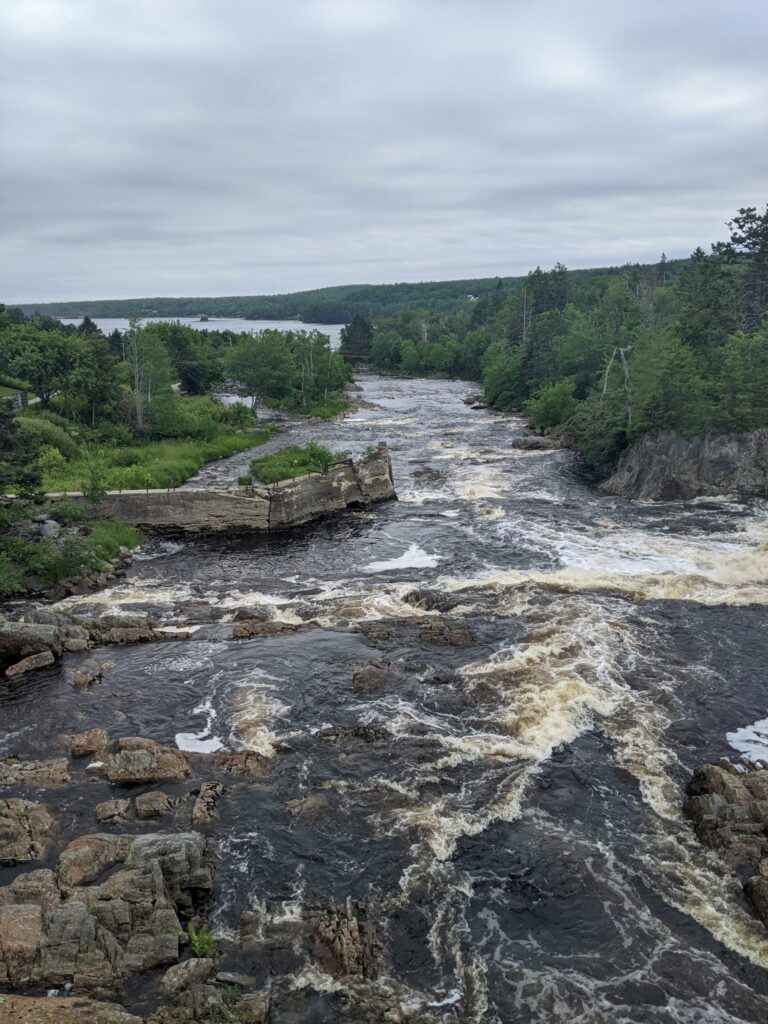
Freshwater systems carry not only water to the ocean, but also minerals, nutrients, and carbon. When rivers become more acidic—often due to historical land use, acid rain, or natural geology—they can contribute to lower pH levels in the coastal waters where they empty.
This is where CarbonRun’s work offers both insight and possibility.
Using a method already applied in parts of Europe, including Norway, CarbonRun enhances the natural chemistry of rivers by adding finely crushed alkaline minerals such as limestone. This increases the water’s buffering capacity—its ability to neutralize acidity. In the process, dissolved CO₂ is converted into stable bicarbonate, a form of carbon that can be safely transported to the ocean and stored over long periods as part of the natural carbon cycle.
The immediate effect is improved river health. More stable pH levels support species such as Atlantic salmon, which are highly sensitive to changes in water chemistry during spawning and early development.
But the story does not end at the river’s mouth.
As these treated waters flow into the ocean, they may help counteract acidity in nearby coastal areas. This opens an important and still-emerging question: could improving river chemistry also create more favourable conditions for shell-forming species such as clams and oysters along adjacent shorelines? If so, this approach could have meaningful implications not only for ecosystems, but also for local fisheries and aquaculture operations.
While further research is needed, the possibility highlights a compelling idea: climate solutions developed upstream may deliver benefits downstream, both environmentally and economically.
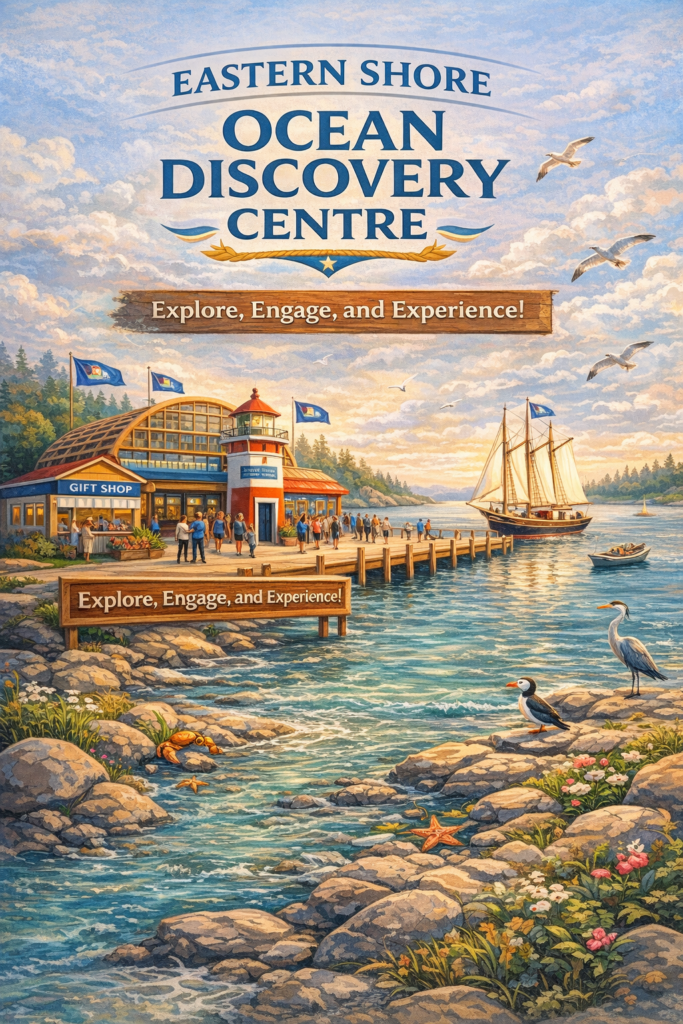
Through potential collaboration, CarbonRun could establish a local presence on the Eastern Shore while supporting the ESODC’s mission to make ocean science accessible and relevant. Together, the organizations see opportunities to bring this idea to life through exhibits, public talks, and community-based learning—helping people understand how carbon, water, and marine life are interconnected.
The vision is both practical and aspirational: an Eastern Shore where residents and visitors can not only experience the beauty of the coast, but also learn how local rivers, coastal ecosystems, and global climate systems are deeply linked—and how solutions taking shape here at home may help protect both the environment and the livelihoods that depend on it.