Roberta Bondar, Canada’s first female astronaut, the first neurologist in space has been a strong advocate for this broader lens, emphasizing how art and science together deepen our understanding of the natural world. Through photography and storytelling, she has shown that scientific observation becomes more accessible—and more human—when paired with creative expression.
This spirit of integration is already present in the work of local practitioners such as Kit Tymoshuk, whose pottery practice bridges artistic craft with scientific curiosity. In shaping clay, there is attention to form, pressure, material behaviour, and transformation—processes that echo the same observational discipline found in field science. Yet the outcome is not data, but object, texture, and story.
This is confluence in practice.
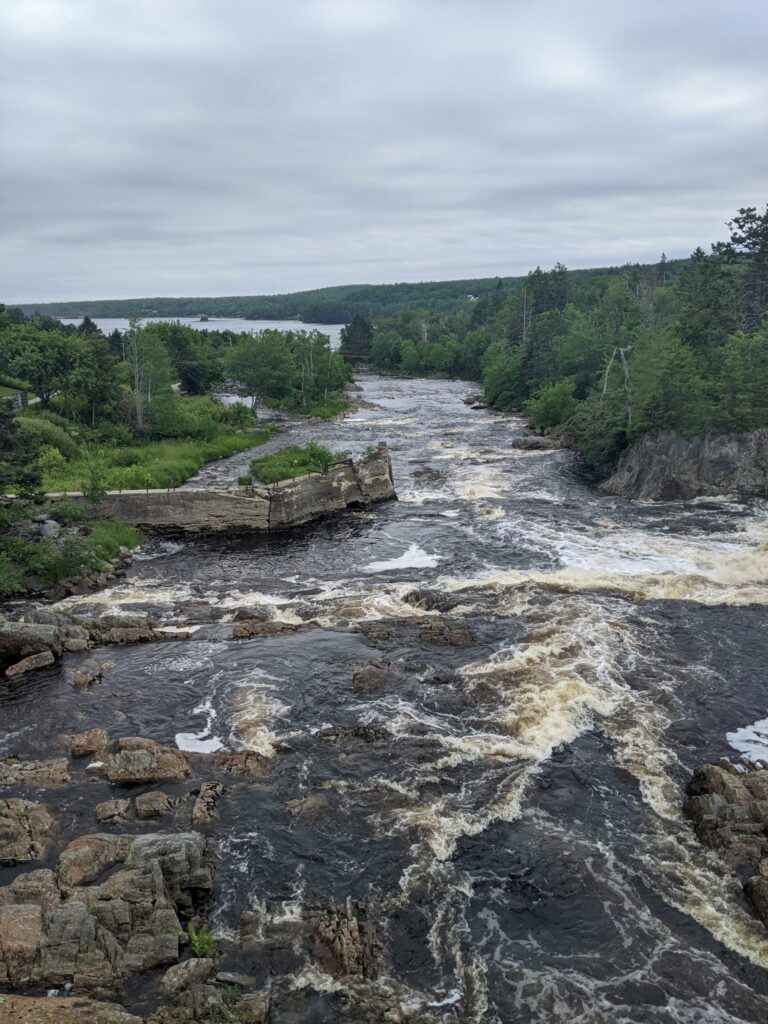
At its core, confluence is about overlap without loss of identity. Science does not become art, and art does not become science. Instead, each informs the other. The shoreline becomes a shared space where different disciplines and experiences meet, each enriching what the other offers.
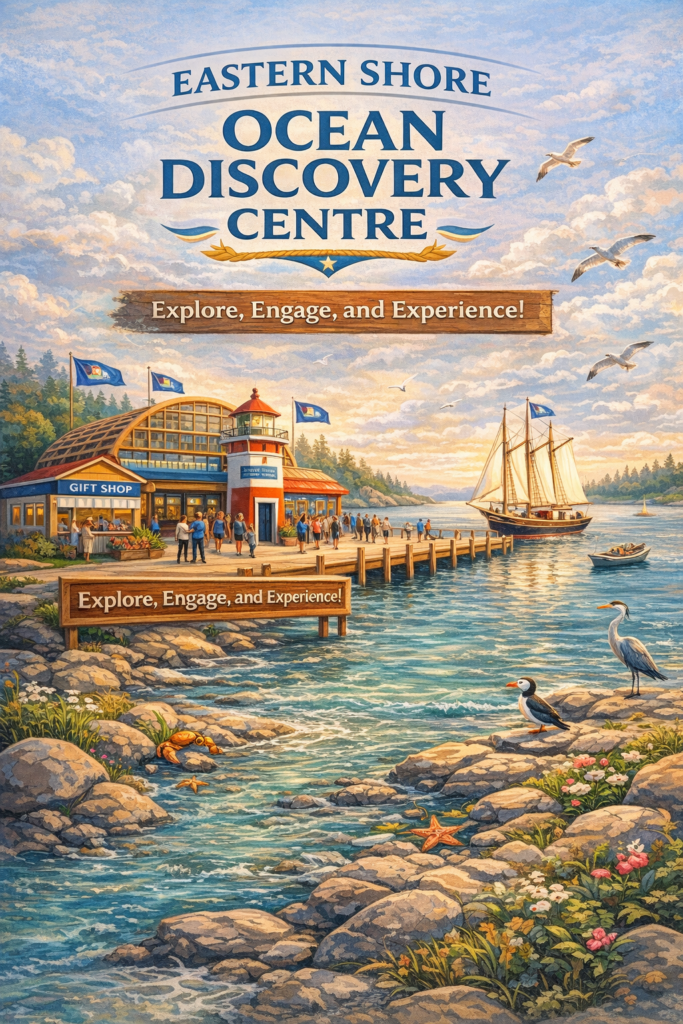
For the Eastern Shore Ocean Discovery Centre, this means creating space not only for research and learning, but for participation. It means inviting communities to engage with the coast not just as observers, but as contributors—through measurement, storytelling, creative work, and shared inquiry. This vision is already taking shape through our Wild Islands Seaside Discovery summer camps, where children and youth (ages 5–15) spend a week exploring the Eastern Shore through STEAM. By combining hands-on discovery with creativity, outdoor exploration, and a sense of wonder, these camps demonstrate what confluence looks like in practice: bringing together different ways of learning to foster a deeper connection with the coast.
Learn more about Wild Islands Seaside Discovery and upcoming summer camps here.
Because when waters converge, something new is formed. Not a replacement for what existed before, but a blending that carries forward the strengths of each current.
That is the essence of confluence: not a boundary, but a meeting place.